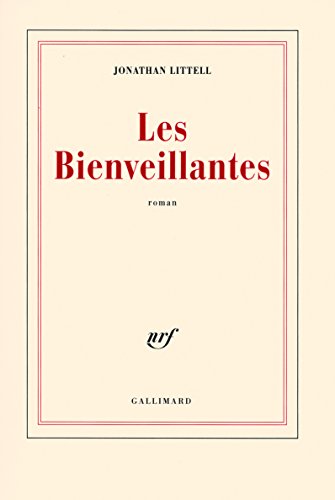
Les Bienveillantes
by Jonathan Littell
Approximately 903 pages
This novel challenges readers with its unsettling exploration of the human psyche during wartime.
Difficulty
Very Challenging
Pace
Slow
Mood
disturbing, provocative
Book club
High
Is this book for you?
Read this if you enjoy
- complex moral questions
- you appreciate historical fiction
- you can handle disturbing themes
Consider another book if
- you are sensitive to graphic content
- you prefer light reading
What it is about
"Les Bienveillantes" follows the life of Maximilien Aue, a former SS officer reflecting on his experiences during World War II. The narrative is presented as a confessional memoir, blending historical events with Aue's personal recollections. Aue grapples with his identity and moral ambiguity throughout the story.
He is involved in various atrocities committed by the Nazi regime, including the Holocaust. The novel explores themes of guilt, complicity, and the nature of evil. Aue's journey takes him across Europe, from the Eastern Front to post-war France.
The prose is dense and often graphic, depicting the horrors of war. Littell delves into the psychological aspects of Aue's character and his justifications for his actions. The book raises questions about memory, history, and the human capacity for violence.
Ultimately, it challenges readers to confront uncomfortable truths about the past.
Award recognition
2006 winner
Prix Goncourt
France
Reader comments
Loading comments…
Similar award-winning books
Selected from shared categories, regions, award history, and reading profiles.
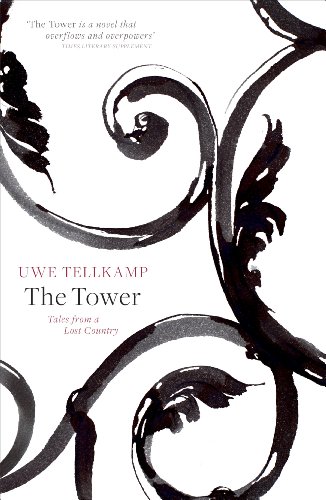
Der Turm
by Uwe Tellkamp
Shares themes of identity.

La solitudine dei numeri primi
by Paolo Giordano
Also recognised in fiction.

Syngué Sabour: La pierre de patience
by Atiq Rahimi
Shares themes of war.