Back to winners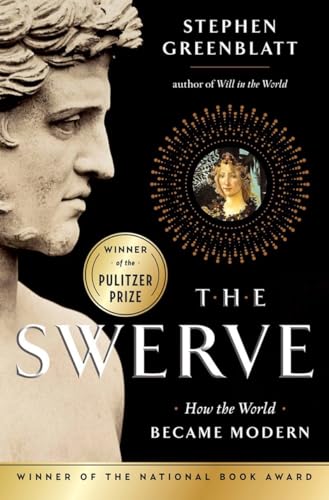
The Swerve: How the World Became Modern
Recorded edition: W.W. Norton · 2011 · ISBN 0393064476 · Edition source
Approximately 356 pages
Estimated reading time: 9–12 hours at 30–40 pages per hour; edition and reading pace affect this estimate.
Explore the recorded awards, edition information and related books below.
What is this book about?
A spoiler-free synopsis is awaiting source review. The recorded awards and available edition information are shown below.
Reader comments
Loading comments…
Similar award-winning books
Selected from shared categories, regions, award history, and reading profiles.
Age of Ambition: Chasing Fortune, Truth, and Faith in the New China
by Evan Osnos
Also recognised in non fiction.

Toms River: A Story of Science and Salvation
by Dan Fagin
Also recognised in non fiction.
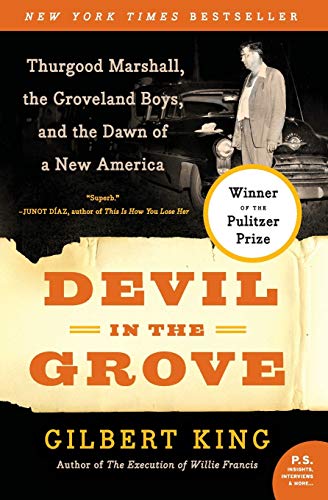
Devil in the Grove: Thurgood Marshall, the Groveland Boys, and the Dawn of a New America
by Gilbert King
Also recognised in non fiction.